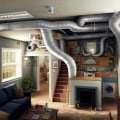
Understanding CFM (cubic feet per minute) is essential for anyone looking to enhance the air quality and comfort of their living or working spaces. CFM measures the volume of air that a fan or ventilation system can move in one minute, making it a critical factor in determining how effectively air circulates within a room. Proper airflow is not just about comfort; it directly impacts indoor air quality, which can affect health, productivity, and overall well-being.When we talk about airflow , we are referring to the movement of air throughout a space, which is vital for maintaining a balanced environment. Insufficient airflow can lead to stagnant air, increased humidity, and the accumulation of pollutants, while excessive airflow can create drafts and discomfort.
Therefore, understanding how to calculate CFM accurately is crucial for selecting the right HVAC systems, fans, or duct cleaning services near me that will meet the specific needs of your space.The importance of CFM calculations extends beyond mere numbers; they serve as a foundation for achieving optimal room air quality. Different rooms have varying requirements based on their size, purpose, and occupancy levels. For instance, kitchens may require higher CFM ratings due to cooking activities that generate heat and moisture, while bedrooms may need less airflow for a more tranquil environment. By grasping the significance of CFM and its calculations, homeowners and business owners alike can make informed decisions that lead to healthier indoor environments.
What is CFM?
CFM, or cubic feet per minute , is a critical measurement used to quantify the volume of air that is moved or circulated within a given space over the course of one minute.This metric is essential for understanding how effectively air is being distributed in various systems, including HVAC (heating, ventilation, and air conditioning), fans, and exhaust systems.To grasp the significance of CFM, it’s important to recognize its relationship with room size. The larger the room, the higher the CFM rating required to ensure adequate airflow. For instance, a small bathroom may only need a fan with a CFM rating of around 50-100 to effectively remove humidity and odors, while a spacious living room might require a unit with a CFM rating exceeding 300 to maintain comfortable air circulation.Understanding CFM is not just about knowing how much air is moved; it also involves recognizing how this airflow impacts overall indoor air quality. Proper airflow helps in:This metric is essential for understanding how effectively air is being distributed in various systems, including HVAC (heating, ventilation, and air conditioning), fans, and exhaust systems.To grasp the significance of CFM, it’s important to recognize its relationship with room size. The larger the room, the higher the CFM rating required to ensure adequate airflow. For instance, a small bathroom may only need a fan with a CFM rating of around 50-100 to effectively remove humidity and odors, while a spacious living room might require a unit with a CFM rating exceeding 300 to maintain comfortable air circulation.Understanding CFM is not just about knowing how much air is moved; it also involves recognizing how this airflow impacts overall indoor air quality. Proper airflow helps in:
- Regulating Temperature: Adequate CFM ensures that cool or warm air is evenly distributed throughout the room, preventing hot or cold spots.
- Enhancing Air Quality: Sufficient airflow helps dilute indoor pollutants and allergens, contributing to a healthier living environment.
- Improving Energy Efficiency: Systems designed with appropriate CFM ratings operate more efficiently, reducing energy consumption and costs.
For example, commercial kitchens require high CFM ratings to effectively remove smoke, steam, and odors generated during cooking. Similarly, in industrial settings, proper airflow is vital for maintaining safe working conditions by removing harmful fumes and ensuring adequate ventilation.In summary, understanding CFM is fundamental for anyone looking to optimize their indoor environment. Whether you are selecting an air conditioning unit or evaluating duct cleaning services near me, knowing how to interpret CFM ratings can lead to better decisions that enhance comfort and air quality in your home or workplace.
The Science Behind CFM Calculations
Understanding how to calculate CFM (cubic feet per minute) is essential for achieving optimal airflow in any room. The formula for calculating CFM is straightforward, yet it requires careful consideration of several factors, including the dimensions of the room and the desired air changes per hour (ACH).The basic formula for CFM is:CFM = (Room Volume in Cubic Feet) x (Desired ACH) / 60- Room Volume: This is calculated by multiplying the length, width, and height of the room.
For example, a room that is 10 feet long, 12 feet wide, and 8 feet high has a volume of 960 cubic feet (10 x 12 x 8).
- Desired ACH: This value varies depending on the room's purpose. For instance, a living room may require an ACH of 4, while a kitchen might need an ACH of 15 due to cooking activities.
Room Volume = 10 x 12 x 8 = 960 cubic feetCFM = (960 x 15) / 60 = 240 CFMTherefore, understanding how to adjust your calculations based on room use is crucial.In addition to these calculations, factors such as duct size and layout can also impact airflow efficiency. If you're considering duct cleaning services near me, it’s wise to ensure that your ducts are clean and unobstructed to maximize the effectiveness of your CFM calculations.By mastering these calculations and understanding their implications, you can significantly enhance the air quality and comfort of your living spaces.
Factors Influencing CFM Requirements
Understanding the factors that influence CFM (cubic feet per minute) requirements is essential for ensuring optimal airflow and air quality in any room. Several key elements come into play when determining the necessary CFM for a specific space, including room size, intended use, and desired air changes per hour (ACH).Room Size
The size of a room is one of the most significant factors affecting its CFM requirements. Larger rooms naturally require more airflow to maintain comfortable temperatures and air quality.
For instance, a spacious living room will need a higher CFM rating compared to a small bedroom. To calculate the required CFM based on room size, you can use the formula:
- CFM = (Room Volume in Cubic Feet) x (Desired ACH) / 60
Intended Use
The purpose of the room also plays a crucial role in determining CFM needs. Different activities generate varying levels of pollutants and humidity, which can affect air quality.
For example:
- Bathrooms: These spaces typically require higher CFM ratings due to moisture buildup from showers and baths.
- Kitchens: Cooking generates smoke and odors, necessitating efficient ventilation systems with higher CFM ratings.
- Living Areas: While these spaces may not have as high demands as kitchens or bathrooms, they still require sufficient airflow to maintain comfort.
Desired Air Changes Per Hour (ACH)
The desired ACH is another critical factor influencing CFM calculations. ACH refers to how many times the air in a room should be replaced within an hour. Different rooms have different ACH requirements based on their function:
- Residential Living Spaces: Typically require 4-6 ACH for optimal comfort.
- Bathrooms: Often need 8-10 ACH to effectively remove humidity.
- Kitchens: Generally require 15-20 ACH to manage smoke and odors effectively.
Common Applications of CFM Calculations
Understanding the applications of CFM calculations is essential for optimizing air quality and comfort in various environments.Proper airflow management is crucial in several systems, including HVAC units, kitchen exhaust fans, and bathroom ventilation systems.
HVAC Systems
In HVAC (Heating, Ventilation, and Air Conditioning) systems, CFM calculations play a pivotal role in ensuring that air is distributed evenly throughout a building. Each room has different heating and cooling needs based on its size, layout, and purpose. By accurately calculating the required CFM for each space, HVAC professionals can:- Enhance Energy Efficiency: Proper CFM calculations help in selecting the right size of air conditioning units or heaters, preventing energy waste and reducing utility bills.
- Improve Comfort Levels: Ensuring that each room receives the appropriate amount of airflow leads to consistent temperatures and improved comfort for occupants.
- Maintain Indoor Air Quality: Adequate airflow helps in diluting indoor pollutants and maintaining a healthy environment.
Kitchen Exhaust Fans
Kitchen exhaust fans are vital for removing smoke, steam, and odors generated during cooking. The effectiveness of these fans is directly related to their CFM rating.When selecting an exhaust fan, it’s important to consider:
- Room Size: Larger kitchens require fans with higher CFM ratings to effectively remove contaminants.
- Cooking Habits: Frequent cooking or frying may necessitate a more powerful fan to maintain air quality.
- Ventilation Needs: Proper CFM calculations ensure that the fan can adequately replace the air being exhausted, preventing negative pressure that can draw in unfiltered air from outside.
Bathroom Ventilation
Bathrooms are often prone to high humidity levels due to showers and baths. Effective ventilation is crucial to prevent mold growth and maintain air quality. CFM calculations for bathroom exhaust fans should consider:- Bathroom Size: A larger bathroom will require a fan with a higher CFM rating to effectively remove moisture.
- Usage Frequency: Regular use of the bathroom may require more robust ventilation solutions.
- Adequate Air Exchange: Ensuring that the fan can replace humid air with fresh air is essential for maintaining comfort and hygiene.
The Role of Duct Cleaning in Maintaining Optimal Airflow
Maintaining optimal airflow in any space is crucial for ensuring comfort and air quality, and one of the most effective ways to achieve this is through regular duct cleaning.Over time, dust, debris, and allergens can accumulate in your ductwork, significantly impacting the efficiency of your heating and cooling systems. This buildup not only obstructs airflow but can also lead to inaccurate CFM calculations, which are essential for determining the right air circulation needed for a room.When ducts are clogged, the airflow is restricted, making it difficult for HVAC systems to deliver the required amount of air. This can result in higher energy bills as your system works harder to maintain the desired temperature. Moreover, if the CFM is miscalculated due to dirty ducts, you may end up with an air circulation system that is either over or underperforming.
This misalignment can lead to discomfort and poor indoor air quality.Regularly scheduled duct cleaning services can help mitigate these issues by ensuring that your ductwork remains clear and efficient. Here are some key benefits of maintaining clean ducts:
- Improved Air Quality: Clean ducts reduce the presence of allergens and pollutants in the air, leading to a healthier indoor environment.
- Enhanced System Efficiency: With unobstructed airflow, your HVAC system can operate more efficiently, reducing wear and tear on components.
- Accurate CFM Calculations: Clean ducts allow for precise airflow measurements, ensuring that your space receives the correct amount of air circulation.
- Energy Savings: An efficient system consumes less energy, which translates into lower utility bills.
By investing in professional duct cleaning services, you not only enhance your indoor environment but also ensure that your HVAC system operates at peak performance.
Tips for Ensuring Proper Airflow in Your Space
Ensuring proper airflow in your home is essential for maintaining a comfortable and healthy living environment. Here are some practical tips to help you optimize airflow and improve air quality:- Regular Duct Cleaning: One of the most effective ways to enhance airflow is by scheduling duct cleaning services near me. Dust, debris, and allergens can accumulate in your ductwork, obstructing airflow and reducing the efficiency of your HVAC system. Regular cleaning helps maintain optimal airflow and improves indoor air quality.
- Check Air Filters: Replace or clean air filters regularly, as clogged filters can significantly restrict airflow.
Depending on usage, filters should be checked monthly and replaced every 1-3 months to ensure your system operates efficiently.
- Seal Ducts: Inspect your ductwork for leaks or gaps that can lead to air loss. Sealing these leaks with mastic sealant or metal tape can improve airflow and reduce energy costs.
- Optimize Vent Placement: Ensure that vents are not blocked by furniture, curtains, or other obstructions. Proper placement allows for unobstructed airflow throughout the room, enhancing comfort.
- Use Ceiling Fans Wisely: Ceiling fans can help circulate air effectively. In summer, set fans to rotate counterclockwise to create a cooling breeze; in winter, switch them to clockwise to push warm air down from the ceiling.
- Consider Airflow Direction: When using portable fans or window units, position them strategically to promote cross-ventilation.
This can help draw in fresh air from outside while expelling stale air.
- Maintain HVAC Systems: Schedule regular maintenance for your heating and cooling systems. A well-maintained system operates more efficiently and provides better airflow throughout your home.
- Utilize Exhaust Fans: In areas like kitchens and bathrooms, use exhaust fans to remove excess moisture and odors. This not only improves air quality but also helps prevent mold growth.
Frequently Asked Questions About CFM and Airflow
Understanding CFM and airflow can be complex, and many homeowners have questions about how these concepts affect their indoor air quality.Here are some frequently asked questions that can help clarify these important topics.
What does CFM stand for?
CFM stands for Cubic Feet per Minute. It is a measurement of the volume of air that is moved or circulated in a space within one minute. This metric is crucial for determining how effectively an air conditioning unit, fan, or ventilation system can maintain air quality and comfort in a room.Why is CFM important for my home?
Proper CFM calculations are essential for ensuring that your home has adequate airflow. Insufficient airflow can lead to poor air quality, increased humidity, and discomfort.Conversely, excessive airflow can waste energy and lead to higher utility bills. By understanding the required CFM for each room, you can optimize your heating and cooling systems.
How do I calculate the CFM needed for a room?
To calculate the required CFM for a room, you need to know the room's volume (length x width x height) and the desired air changes per hour (ACH). The formula is:- Calculate the room volume in cubic feet.
- Determine the desired ACH based on the room's use (e.g., living rooms may require 4-6 ACH, while kitchens may need 15-20 ACH).
- Use the formula: CFM = (Room Volume x ACH) / 60 .
What factors affect CFM requirements?
Several factors influence the CFM requirements for a space:- Room Size: Larger rooms require higher CFM ratings to ensure adequate airflow.
- Room Use: Different activities generate varying levels of pollutants and humidity, affecting airflow needs.
- Airtightness: Well-sealed rooms may require less airflow compared to drafty spaces.
- HVAC System Type: The design and efficiency of your heating and cooling systems also play a role in determining necessary CFM.
Conclusion: The Impact of Proper CFM Calculations on Air Quality
In conclusion, the significance of accurate CFM calculations cannot be overstated when it comes to ensuring optimal airflow and maintaining high air quality standards in any indoor environment.As we have explored throughout this article, understanding the relationship between CFM and room size, usage, and desired air changes per hour (ACH) is essential for creating a comfortable and healthy living space.Proper CFM calculations allow homeowners and facility managers to select the right ventilation systems, whether they are fans, air conditioning units, or heating systems. This selection process is crucial not only for energy efficiency but also for enhancing the overall air quality. When airflow is insufficient, it can lead to a buildup of pollutants, allergens, and moisture, which can adversely affect health and comfort.Moreover, the importance of duct cleaning services near me cannot be overlooked in this context. Regular maintenance of ductwork ensures that the airflow remains unobstructed and efficient.
Dust, debris, and other contaminants can accumulate in ducts over time, significantly reducing the effectiveness of your HVAC system. By investing in professional duct cleaning services, you can enhance the performance of your air circulation systems and ensure that your CFM calculations translate into real-world benefits.Ultimately, achieving optimal room airflow is a multifaceted endeavor that requires careful consideration of various factors. From understanding the specific CFM needs based on room dimensions to recognizing the role of regular maintenance through duct cleaning, every aspect plays a vital role in promoting a healthier indoor environment.As you move forward with your air quality management strategies, remember that accurate CFM calculations are not just numbers; they are the foundation upon which effective ventilation systems are built. By prioritizing these calculations and maintaining your systems diligently, you can create spaces that are not only comfortable but also conducive to well-being.