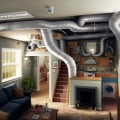
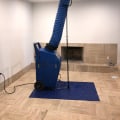
Understanding CFM , or cubic feet per minute, is essential for anyone looking to optimize their HVAC system, especially in smaller spaces like a 10x10 room. CFM measures the volume of air that a heating or cooling system can move in one minute, and it plays a pivotal role in maintaining indoor comfort. When the airflow is insufficient, it can lead to uneven temperatures, increased energy costs, and even health issues due to poor air quality. Therefore, grasping the significance of CFM is crucial for homeowners and renters alike.In a compact area such as a 10x10 room, achieving the right balance of airflow becomes even more critical.
The limited space means that any deficiencies in air circulation can quickly become apparent. For instance, if your HVAC system is not delivering the recommended CFM for that room size, you may experience hot spots or cold drafts that disrupt your comfort. Additionally, inadequate airflow can strain your HVAC system, leading to premature wear and tear and potentially costly repairs.Moreover, understanding the importance of proper CFM extends beyond mere comfort; it also impacts energy efficiency. An HVAC system that operates with optimal airflow can significantly reduce energy consumption, which is not only beneficial for your wallet but also for the environment.
By ensuring that your system is delivering the correct CFM, you can enjoy a more comfortable living space while minimizing your carbon footprint.As we delve deeper into this topic, we will explore how to calculate the appropriate CFM for your specific needs and why seeking professional duct cleaning services near me can enhance your HVAC system's performance. Proper maintenance and understanding of airflow dynamics are key to achieving a comfortable and efficient home environment.
What is CFM and How is it Measured?
CFM, or Cubic Feet per Minute , is a critical measurement in the HVAC industry that quantifies the volume of air that moves through a ventilation system in one minute. Understanding CFM is essential for homeowners, especially when considering the efficiency of heating and cooling systems in their homes. Proper airflow is vital for maintaining comfortable indoor temperatures and ensuring good air quality.To measure CFM, professionals typically use a device called an anemometer, which can accurately gauge the speed of air flowing through ducts or vents.The measurement process involves several steps:
- Identify the Airflow Source: Determine where the airflow is being measured, such as a supply vent or return duct.
- Set Up the Anemometer: Position the anemometer at the center of the airflow path to get an accurate reading.
- Record Air Velocity: The device will display the air velocity, typically in feet per minute (FPM).
- Calculate CFM: To convert FPM to CFM, multiply the air velocity by the cross-sectional area of the duct (in square feet). The formula is: CFM = Velocity (FPM) × Area (sq ft).
Whether you are looking for duct cleaning services near me or assessing your current system's performance, knowing about CFM can lead to better comfort and energy efficiency in your home.
Calculating the Required CFM for a 10x10 Room
Calculating the required CFM (cubic feet per minute) for a 10x10 room is essential for ensuring optimal airflow and comfort. To begin, it’s important to understand the basic formula used to determine CFM:- CFM = (Room Volume × Air Changes per Hour) / 60
- Determine the Room Volume: First, calculate the volume of your room. For a 10x10 room with an average ceiling height of 8 feet, the volume would be:
- Room Volume = Length × Width × Height
- Room Volume = 10 ft × 10 ft × 8 ft = 800 cubic feet
For example:
- Living Rooms: 2-4 ACH
- Bedrooms: 2-3 ACH
- Kitchens: 4-6 ACH
- CFM = (800 cubic feet × 3 ACH) / 60
- CFM = 2400 / 60 = 40 CFM
Factors Influencing CFM Requirements
When determining the appropriate CFM for a 10x10 room, several factors come into play that can significantly influence airflow requirements.Understanding these factors is crucial for optimizing your HVAC system's performance and ensuring a comfortable living environment.
Room Usage
The primary factor affecting CFM requirements is the intended use of the room. Different rooms have varying airflow needs based on their functions:- Kitchens: Kitchens typically require higher CFM due to cooking activities that generate heat, moisture, and odors. A well-ventilated kitchen not only improves comfort but also helps in maintaining air quality.
- Bedrooms: In contrast, bedrooms generally need less airflow. A minimum of 100 CFM may suffice, as the primary concern is maintaining a comfortable sleeping environment without excessive drafts.
- Living Areas: Common areas like living rooms may require moderate airflow to accommodate gatherings and activities, balancing comfort with energy efficiency.
Air Changes Per Hour
Another critical aspect to consider is the number of air changes per hour (ACH) required for the room.ACH refers to how many times the air in a room is replaced within an hour. The recommended ACH varies by room type:
- Living Spaces: For general living areas, an ACH of 4 to 6 is often recommended.
- Kitchens and Bathrooms: These areas may require higher ACH rates, often between 8 to 12, to effectively remove moisture and odors.
Insulation Quality
The quality of insulation in your home also plays a significant role in determining CFM requirements. Well-insulated rooms retain temperature more effectively, potentially reducing the need for high airflow. Conversely, poorly insulated spaces may require increased CFM to compensate for heat loss or gain.External Climate Conditions
The external climate can further influence airflow needs.In regions with extreme temperatures, whether hot or cold, higher CFM may be necessary to maintain indoor comfort levels. Additionally, humidity levels can affect how much air circulation is needed; high humidity often requires more frequent air changes to prevent mold growth and maintain air quality.By considering these factors—room usage, air changes per hour, insulation quality, and external climate conditions—you can better tailor your HVAC solutions to meet the specific needs of your 10x10 room. This tailored approach not only enhances comfort but also improves energy efficiency and indoor air quality.
The Role of Duct Cleaning in Maintaining Proper CFM
Maintaining optimal airflow and CFM levels in your HVAC system is crucial for ensuring a comfortable indoor environment, especially in a 10x10 room. One of the most effective ways to achieve this is through regular duct cleaning services.Over time, dust, debris, and allergens can accumulate in your ductwork, significantly impeding airflow and reducing the efficiency of your heating and cooling systems.
Why Duct Cleaning is Essential
- Improved Air Quality: Dirty ducts can circulate pollutants throughout your home, leading to poor indoor air quality. Regular cleaning helps remove these contaminants, making the air you breathe healthier.
- Enhanced Efficiency: When ducts are clogged with dust and debris, your HVAC system has to work harder to maintain the desired temperature. This increased strain can lead to higher energy bills and a shorter lifespan for your equipment.
- Consistent Airflow: Proper airflow is essential for maintaining the right CFM levels. Blocked ducts can create pressure imbalances that disrupt airflow, making it difficult to achieve even heating or cooling in your room.
Finding Duct Cleaning Services Near You
If you're searching for duct cleaning services near me, it's important to choose a reputable company that uses effective cleaning methods.
Look for providers that are certified and have positive customer reviews. A thorough duct cleaning should include:
- Inspection of the entire duct system
- Removal of dust, dirt, and allergens using specialized equipment
- Sealing any leaks or gaps in the ductwork
Maintaining Airflow Post-Cleaning
Common Issues Caused by Improper CFM Levels
Maintaining the correct CFM (cubic feet per minute) levels in a 10x10 room is crucial for ensuring comfort and efficiency.When CFM levels are not properly calibrated, several issues can arise, leading to discomfort, increased energy costs, and potential damage to your HVAC system.
Problems Associated with Low CFM
Low CFM levels can create a range of problems that affect both the comfort of the room and the efficiency of the HVAC system:- Inadequate Heating or Cooling: When CFM is too low, the air circulation is insufficient to maintain a comfortable temperature. This can lead to hot or cold spots within the room, making it difficult to achieve a consistent climate.
- Increased Humidity: Low airflow can trap moisture in the air, leading to higher humidity levels. This not only makes the room feel uncomfortable but can also promote mold growth and other moisture-related issues.
- Higher Energy Bills: When your HVAC system works harder to compensate for low airflow, it consumes more energy. This can result in significantly higher utility bills over time.
- System Strain: Insufficient airflow can cause your HVAC system to overheat or work inefficiently, leading to premature wear and tear.
This may result in costly repairs or even the need for a complete system replacement.
Issues Caused by High CFM
Conversely, excessively high CFM levels can also create problems:- Drafts and Discomfort: High airflow can create uncomfortable drafts, making it difficult for occupants to enjoy their space. This can lead to dissatisfaction with the indoor environment.
- Increased Noise Levels: A system pushing too much air can generate excessive noise, which may be disruptive in a home setting.
- Energy Waste: Just as low CFM leads to inefficiency, high CFM can waste energy by forcing more air than necessary through the system. This not only increases energy costs but also places unnecessary strain on the HVAC equipment.
- Poor Air Quality: An imbalance in airflow can lead to inadequate filtration and circulation of air, resulting in poor indoor air quality. This is particularly concerning for individuals with allergies or respiratory issues.
Regular maintenance and duct cleaning services near me can help ensure that your HVAC system operates efficiently and effectively, providing a comfortable living environment while minimizing energy costs.
Tips for Optimizing Airflow in Your 10x10 Room
Optimizing airflow in a 10x10 room is essential for maintaining a comfortable environment, especially when considering the CFM requirements for effective heating and cooling. Here are some practical tips to enhance airflow and improve the overall comfort of your space.1.Assess Furniture Placement
The arrangement of furniture can significantly impact airflow. Ensure that large pieces, such as sofas or bookshelves, are not blocking vents or air returns. Ideally, furniture should be positioned to allow air to circulate freely throughout the room.Consider using low-profile furniture that doesn’t obstruct airflow.
2.Adjust Vent Direction
Most vents can be adjusted to direct airflow in specific directions. If you notice that certain areas of the room are cooler or warmer than others, try adjusting the vents accordingly. For instance, if one side of the room feels stuffy, angle the vent to direct more air towards that area.3.Use Fans Wisely
Incorporating fans can help distribute air more evenly throughout your 10x10 room. Ceiling fans, oscillating fans, or even box fans can create a gentle breeze that enhances comfort without requiring additional energy consumption.Make sure to set ceiling fans to rotate counterclockwise in summer for a cooling effect.
4.Seal Ducts and Vents
Leaky ducts can lead to significant airflow loss, reducing the efficiency of your HVAC system. Inspect your ductwork for any gaps or holes and seal them with appropriate materials. Additionally, ensure that all vents are fully open and unobstructed.5.Schedule Regular Duct Cleaning
Over time, dust and debris can accumulate in your ducts, hindering airflow and reducing indoor air quality. Consider hiring duct cleaning services near me to ensure your system is clean and functioning optimally.Regular cleaning not only improves airflow but also promotes a healthier living environment.
6.Monitor Humidity Levels
High humidity can make a room feel warmer than it is, affecting comfort levels. Use a dehumidifier if necessary to maintain optimal humidity levels between 30-50%. This will help your HVAC system operate more efficiently and improve overall airflow.By implementing these strategies, you can significantly enhance the airflow in your 10x10 room, ensuring a comfortable and inviting atmosphere year-round.When to Seek Professional Help for Your HVAC System
Understanding when to call in a professional for your HVAC system is crucial for maintaining a comfortable and efficient home environment. While some minor issues can be handled with basic troubleshooting, there are specific signs that indicate the need for expert intervention.- Inconsistent Temperatures: If you notice that certain rooms in your home are significantly warmer or cooler than others, it may be a sign of inadequate airflow or duct issues.
An HVAC professional can assess the system to ensure proper air distribution.
- Unusual Noises: Sounds such as banging, rattling, or hissing coming from your HVAC unit can indicate mechanical problems. These noises often suggest that components are loose or failing, which requires immediate attention from an expert.
- Increased Energy Bills: A sudden spike in your energy costs without a corresponding increase in usage can signal that your HVAC system is working harder than it should. This inefficiency may stem from poor airflow, dirty filters, or other underlying issues that a professional can diagnose.
- Frequent Cycling: If your HVAC system turns on and off more frequently than normal, it could be struggling to maintain the desired temperature. This issue often points to problems with the thermostat, ductwork, or the system itself, necessitating a professional evaluation.
- Foul Odors: Unpleasant smells emanating from your HVAC system can indicate mold growth or electrical issues.
These situations require immediate professional assessment to prevent health risks and further damage.
- Age of the System: If your HVAC system is over 10-15 years old and showing signs of inefficiency or frequent breakdowns, it may be time to consult an expert about replacement options. An HVAC professional can provide insights into whether repairs are feasible or if a new system would be more cost-effective in the long run.
Conclusion: The Key Takeaways on Proper CFM for Your Room
In summary, understanding the significance of proper CFM (cubic feet per minute) for a 10x10 room is crucial for maintaining a comfortable and healthy living environment.The right airflow not only ensures effective heating and cooling but also contributes to better indoor air quality, which is essential for your well-being.Here are the key takeaways regarding CFM levels:
- Minimum CFM Requirement: For a 10x10 room, a baseline of 100 CFM is recommended. This serves as a starting point, but adjustments may be necessary based on specific room usage and conditions.
- Room Usage Matters: Different rooms have varying airflow needs. For instance, kitchens may require higher CFM due to cooking activities, while bedrooms might need less. Understanding the purpose of each room can guide you in determining the appropriate airflow.
- Air Changes Per Hour: The number of air changes required in a room significantly influences the necessary CFM.
Rooms with higher humidity or pollutants will need more frequent air exchanges to maintain comfort and health.
- Professional Assessment: Conducting a thorough HVAC assessment, including a Manual J calculation, can provide precise insights into your specific needs. This evaluation considers factors like insulation, windows, and ductwork to ensure optimal performance. Conducting a thorough HVAC assessment, including a Manual J calculation, can provide precise insights into your specific needs. This evaluation considers factors like insulation, windows, and ductwork to ensure optimal performance.
- Regular Maintenance: Engaging in regular duct cleaning services near me can enhance airflow efficiency and improve indoor air quality. Clean ducts allow for better circulation and reduce the risk of allergens and pollutants affecting your home.
If you find that your airflow is insufficient or if you have concerns about indoor air quality, don't hesitate to reach out to local professionals for assistance. Proper airflow is not just about comfort; it’s about creating a safe and healthy environment for you and your family.