When it comes to creating a comfortable living environment, the significance of proper HVAC duct sizing cannot be overstated. The ducts in your home are responsible for distributing heated or cooled air throughout your space, and if they are not sized correctly, it can lead to a host of issues that affect both comfort and energy efficiency. Understanding the nuances of When it comes to creating a comfortable living environment, the significance of proper HVAC duct sizing cannot be overstated. The ducts in your home are responsible for distributing heated or cooled air throughout your space, and if they are not sized correctly, it can lead to a host of issues that affect both comfort and energy efficiency. Understanding the nuances of HVAC duct sizing is essential for homeowners who want to optimize their heating and cooling systems.Improperly sized ducts can result in uneven temperatures across different rooms, leading to some areas feeling too hot while others remain uncomfortably cold. This inconsistency not only affects your comfort but can also lead to increased energy bills as your HVAC system works harder to compensate for the inefficiencies.
Moreover, if you find yourself searching for duct cleaning services near me, it may be a sign that your ducts are not only poorly sized but also accumulating dust and debris due to inadequate airflow.The importance of duct sizing extends beyond mere comfort; it plays a crucial role in the longevity and performance of your HVAC system. Ducts that are too small can restrict airflow, causing your system to overheat and potentially fail, while ducts that are too large can lead to low air velocity, resulting in insufficient heating or cooling. Therefore, understanding how to size your ducts correctly is vital for maintaining an efficient and effective HVAC system.In this article, we will delve deeper into the principles of HVAC duct sizing, exploring the factors that influence duct dimensions and the best practices for ensuring optimal airflow throughout your home. By grasping these concepts, you will be better equipped to make informed decisions about your HVAC system and its maintenance needs.
Factors Influencing Duct Size
When it comes to determining the appropriate size for HVAC ducts, several critical factors come into play.Understanding these elements is essential for ensuring optimal airflow, energy efficiency, and overall comfort in your home.
1.Home Size and Layout
The dimensions of your home significantly influence duct size. Larger homes typically require larger ducts to accommodate the increased volume of air needed for heating and cooling. Additionally, the layout of your home plays a vital role. For instance, an open floor plan may allow for fewer ducts, while a more segmented layout might necessitate additional ducts to ensure even air distribution.2.HVAC System Type
Different types of HVAC systems have varying requirements for duct sizing.For example:
- Central Air Conditioning Systems: These systems often require larger ducts to efficiently distribute cool air throughout the home.
- Heat Pumps: Depending on whether they are used for heating or cooling, heat pumps may have specific duct size requirements that differ from traditional systems.
- Furnaces: The type of furnace (gas, electric, or oil) can also dictate duct size, as each type has different airflow needs.
3.Airflow Requirements
The required airflow, measured in cubic feet per minute (CFM), is another crucial factor in duct sizing. Each room in your home has a specific CFM requirement based on its size and intended use. For example, a bedroom may need less airflow than a living room or kitchen. Properly calculating these requirements ensures that each space receives adequate heating and cooling.4.Duct Material and Design
The material used for ducts can also affect their size and efficiency.Metal ducts tend to be more durable and can handle higher pressures than flexible ducts, which may require different sizing considerations. Additionally, the design of the ductwork—such as the number of bends and turns—can impact airflow and should be factored into the sizing calculations.In summary, accurately sizing your HVAC ducts involves considering various factors such as home size, layout, HVAC system type, airflow requirements, and duct material. By taking these elements into account, you can ensure that your HVAC system operates efficiently and effectively, providing comfort throughout your home.
The Duct Sizing Formula Explained
Understanding the duct sizing formula is essential for ensuring that your HVAC system operates efficiently. Proper duct sizing not only enhances airflow but also contributes to energy savings and overall comfort in your home.The formula for calculating duct size is based on several factors, including the volume of air required, the velocity of air, and the pressure loss in the system.One of the most commonly used methods for determining duct size is the CFM (Cubic Feet per Minute) calculation. This method involves assessing the airflow needs of each room and then translating that into appropriate duct dimensions. The basic formula can be summarized as follows:
- CFM = Area (sq. ft.) × Velocity (ft/min)
For round ducts, the area can be calculated using:
- Area = π × (Diameter/2)²
- Area = Width × Height
- Diameter = 2 × √(CFM / (π × Velocity))
- Area = 200 CFM / 600 ft/min = 0.333 sq. ft.
- Diameter = 2 × √(0.333 / π) ≈ 0.65 ft or approximately 7.8 inches.
Consequences of Improper Duct Sizing
Improper duct sizing can lead to a myriad of issues that not only affect the performance of your HVAC system but also impact your overall energy efficiency and comfort levels within your home.Understanding these consequences is crucial for homeowners who want to maintain a comfortable living environment while minimizing energy costs.
1.Reduced Airflow
One of the most immediate effects of incorrect duct sizing is reduced airflow. If the ducts are too small, they can restrict the volume of air that flows through the system. This restriction can lead to:
- Inconsistent temperatures: Rooms may feel warmer or cooler than others, leading to discomfort.
- Increased wear and tear: The HVAC system has to work harder to push air through the smaller ducts, which can lead to premature breakdowns.
2.Increased Energy Costs
When your HVAC system struggles due to improperly sized ducts, it consumes more energy. This inefficiency translates into higher utility bills.
Homeowners may notice:
- Higher monthly energy bills: As the system works overtime, energy consumption spikes.
- Shortened lifespan of equipment: Overworking the system can lead to costly repairs or replacements.
3.Poor Indoor Air Quality
Another significant consequence of improper duct sizing is compromised indoor air quality. Insufficient airflow can lead to:
- Stagnant air: Areas with poor airflow may experience a buildup of dust, allergens, and other pollutants.
- Mold growth: Inadequate ventilation can create conditions conducive to mold and mildew, posing health risks.
4.Noise Issues
Ducts that are too small can create excessive noise as air is forced through tight spaces. Homeowners may experience:
- Unpleasant sounds: Whistling or banging noises can be disruptive and annoying.
- Increased stress levels: Constant noise can contribute to a stressful living environment.
5.Compromised System Efficiency
The overall efficiency of your HVAC system is directly tied to proper duct sizing. When ducts are not sized correctly, you may face:
- Poor heating and cooling performance: The system may struggle to maintain desired temperatures.
- Ineffective zoning: If your home has multiple zones, improper duct sizing can hinder their ability to function independently.
To avoid these issues, it is essential for homeowners to consult with professionals who specialize in duct cleaning services near me, ensuring that their ductwork is appropriately sized and maintained for optimal performance.
Best Practices for Duct Sizing
When it comes to ensuring that your HVAC system operates efficiently, proper duct sizing is paramount. Here are some best practices to follow for optimal duct sizing:- Consult with Professionals: Engaging with experienced HVAC professionals is crucial. They possess the expertise to assess your home’s unique requirements and can provide tailored solutions. A professional will consider factors such as the layout of your home, the type of HVAC system in use, and the specific heating and cooling needs of each room.
- Utilize Industry Standards: Familiarize yourself with established industry standards such as those set by ASHRAE (American Society of Heating, Refrigerating and Air-Conditioning Engineers).
These guidelines offer valuable insights into duct sizing based on air velocity, pressure loss, and system type. Adhering to these standards can significantly enhance the performance of your HVAC system.
- Conduct a Manual J Load Calculation: This calculation determines the heating and cooling requirements of your home. By understanding the load requirements, you can size your ducts more accurately. This process takes into account factors like insulation levels, window sizes, and local climate conditions.
- Consider Duct Material: The material used for ducts can affect airflow and efficiency.
Metal ducts are generally more durable and provide better airflow than flexible ducts. However, flexible ducts can be easier to install in tight spaces. Choose materials that best suit your installation environment while ensuring they meet industry standards.
- Regular Maintenance: Once your ducts are properly sized and installed, regular maintenance is essential. This includes periodic inspections and cleaning to prevent blockages that can hinder airflow.
Searching for duct cleaning services near me can help you find local professionals who specialize in maintaining duct systems.
The Role of Duct Cleaning in HVAC Efficiency
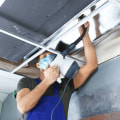
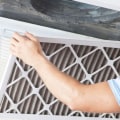
When it comes to maintaining the efficiency of your HVAC system, duct cleaning services near me play a pivotal role. Over time, dust, debris, and allergens accumulate within the ductwork, leading to reduced airflow and increased energy consumption. Regular cleaning not only enhances the air quality in your home but also ensures that your HVAC system operates at peak performance.Benefits of Duct Cleaning
- Improved Air Quality: Clean ducts mean cleaner air.
By removing dust, mold, and other contaminants, you can significantly improve the indoor air quality of your home.
- Enhanced Energy Efficiency: When ducts are clogged with debris, your HVAC system has to work harder to circulate air. This increased workload can lead to higher energy bills. Regular duct cleaning helps maintain optimal airflow, allowing your system to operate more efficiently.
- Extended Equipment Lifespan: A well-maintained HVAC system lasts longer. By ensuring that your ducts are clean, you reduce the strain on your equipment, which can lead to fewer repairs and a longer lifespan for your system.
- Reduction of Allergens: For those with allergies or respiratory issues, clean ducts can make a significant difference.
Removing allergens from the ductwork can help alleviate symptoms and create a healthier living environment.
Maintaining HVAC Systems
In addition to regular duct cleaning, proper duct sizing is essential for maintaining HVAC efficiency. If ducts are too small or improperly sized, even the cleanest ducts will struggle to deliver adequate airflow. This is where the synergy between duct cleaning and proper sizing becomes evident. Clean ducts allow for unobstructed airflow, while correctly sized ducts ensure that air moves efficiently throughout your home.To maximize the benefits of both duct cleaning and proper sizing, consider scheduling regular maintenance checks with a qualified HVAC professional.
They can assess both the cleanliness of your ducts and their size relative to your system's requirements. By prioritizing these aspects, you can ensure that your HVAC system operates efficiently and effectively for years to come.
FAQs About HVAC Duct Sizing and Cleaning
When it comes to HVAC duct sizing and cleaning, homeowners often have numerous questions. Understanding these aspects can significantly enhance the efficiency of your heating and cooling systems. Below are some frequently asked questions that can help clarify common concerns.What is the importance of proper duct sizing?
Proper duct sizing is essential for ensuring that your HVAC system operates efficiently.Ducts that are too small can restrict airflow, leading to increased energy consumption and discomfort in your home. Conversely, ducts that are too large can result in insufficient air velocity, causing uneven heating or cooling. Correctly sized ducts help maintain optimal airflow, reduce energy costs, and improve overall comfort.
How do I know if my ducts are the right size?
To determine if your ducts are appropriately sized, consider consulting a professional HVAC contractor who can perform a detailed analysis of your system. They will evaluate factors such as the size of your home, the layout of your ductwork, and the specifications of your HVAC unit.Additionally, you can look for signs like inconsistent temperatures in different rooms or unusual noises from the vents.
What are duct cleaning services?
Duct cleaning services involve the removal of dust, debris, and other contaminants from your HVAC ductwork. This process not only improves indoor air quality but also enhances the efficiency of your heating and cooling systems. Regular cleaning can prevent blockages that may lead to increased energy costs and system malfunctions.How often should I have my ducts cleaned?
It is generally recommended to have your ducts cleaned every 3 to 5 years, depending on factors such as household size, pets, and local environmental conditions. If you notice excessive dust accumulation or experience allergy symptoms indoors, it may be time to schedule a cleaning sooner.Can I clean my ducts myself?
While some homeowners may attempt DIY duct cleaning using vacuums or brushes, it is often best left to professionals.They have specialized equipment and expertise to thoroughly clean ducts without damaging them or spreading contaminants throughout your home.
What should I look for in duct cleaning services near me?
- Experience: Choose a company with a proven track record in duct cleaning.
- Certifications: Look for certifications from recognized organizations like NADCA (National Air Duct Cleaners Association).
- Reviews: Check online reviews and testimonials from previous customers.
- Estimates: Obtain written estimates to compare pricing and services offered.
Conclusion: Ensuring Optimal HVAC Performance Through Proper Duct Sizing
In summary, the significance of proper HVAC duct sizing cannot be overstated. It serves as the backbone of an efficient heating and cooling system, directly influencing both comfort levels and energy consumption in your home. When ducts are sized correctly, they facilitate optimal airflow, ensuring that every room receives adequate heating or cooling without unnecessary strain on the HVAC system.Throughout this article, we have explored various aspects of duct sizing, including:- The General Guidelines: Understanding the basic rules for duct sizing helps homeowners make informed decisions about their HVAC systems.
- The Duct Size Formula: Knowing how to calculate the appropriate duct size based on your system's specifications is crucial for maintaining efficiency.
- The Importance of Proper Sizing: Recognizing the consequences of improperly sized ducts—such as increased energy bills and discomfort—highlights the need for precision.
- Advanced Sizing Methods: Utilizing industry standards from organizations like ASHRAE can lead to better outcomes than relying solely on general rules.
Neglecting this aspect can lead to blockages and reduced efficiency, negating any benefits gained from proper sizing.Ultimately, investing time and resources into ensuring that your ducts are correctly sized and well-maintained will pay off in the long run. Not only will you enjoy a more comfortable living environment, but you will also see a reduction in energy costs and an extension of your HVAC system's lifespan. For homeowners looking to optimize their HVAC performance, consulting with a professional contractor is a wise step toward achieving these goals.